Exhibitions

[vc_row css_animation="" row_type="row" use_row_as_full_screen_section="no" type="grid" angled_section="no" text_align="left" background_image_as_pattern="without_pattern" z_index="" css=".vc_custom_1628781701987{background-color: #c1c1bf !important;}" el_class="protestBanner"][vc_column width="2/3" css=".vc_custom_1628495036789{margin-top: 5% !important;margin-bottom: 6% !important;padding-right: 5% !important;padding-bottom: 40px !important;padding-left: 5% !important;background-color: rgba(0,0,0,0.75) !important;*background-color: rgb(0,0,0) !important;}"][vc_column_text el_class="whiteText"]

Print, Protest & the Polls: Suffrage Action Recorded in Print

[/vc_column_text][vc_empty_space height="10px"][vc_column_text el_class="whiteText"]
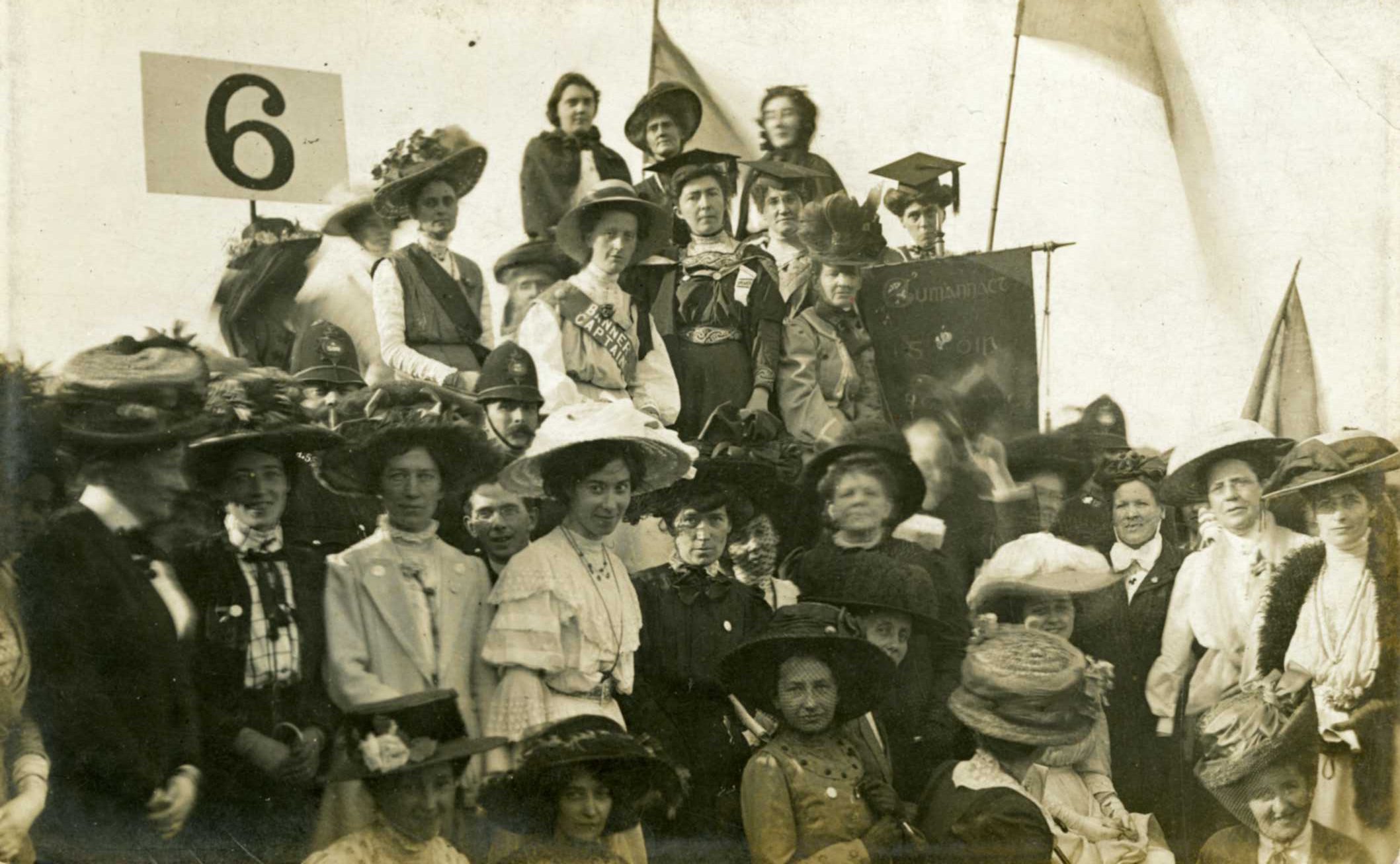
Surviving contemporary photographs, newspapers, and print ephemera record a number of the many varied activities carried out by Irish suffragists in their efforts to win public and political support and achieve the right to vote. These records show brave and innovative forms of public protest, and their effective promotion and publicity of the cause.
The introduction and overview page for the Print, Protest & the Polls exhibition is here.
[/vc_column_text][/vc_column][vc_column width="1/3" css=".vc_custom_1628495164376{margin-top: 2% !important;margin-bottom: 2% !important;}"][vc_single_image image="10232" img_size="large" alignment="center" qode_css_animation=""][/vc_column][/vc_row][vc_row css_animation="" row_type="row" use_row_as_full_screen_section="no" type="grid" in_content_menu="in_content_menu" content_menu_icon="" angled_section="no" text_align="left" background_image_as_pattern="without_pattern" z_index="" el_class="vc_rowSummer2021" anchor="census" content_menu_title="Anti-sentiment"][vc_column width="1/2" el_class="topAligned"][vc_single_image image="10678" img_size="large" add_caption="yes" onclick="link_image" qode_css_animation=""][vc_column_text]This press cutting was retained by suffragette Louisa (Isa) Lawler. Isa was the founding secretary/manager of Dublin's Gate Theatre, and was married to Hector Hughes, a co-founder of the Irish Socialist Party. Isa was the founding secretary/manager of Dublin's Gate Theatre, and was married to Hector Hughes, a co-founder of the Irish Socialist Party. Isa Lawler can  be  viewed  in  the  newspaper  clipping  on  the  second  from  the  left,  where  she  is  seen  campaigning  with  the  Irish  Women’s  Franchise  League  (IWFL)  on  the  streets  of  Dublin.  The  photograph  shows  how  the  suffragettes  worked  hard  to  display  an  alternative  image  of  their  campaign  to  the  public  in  contrast  to  the  negative  representations  showing  them  to  be  violent,  angry,  and  masculine.  The  newspaper  cutting  records  how  the  campaigners  sold  “fruit,  flowers  and  Suffragette  literature”,  and  played  “street  organs  in  aid  of  the  cause”.[/vc_column_text][/vc_column][vc_column width="1/2"][vc_single_image image="10977" img_size="full" add_caption="yes" onclick="link_image" qode_css_animation=""][vc_column_text]The picture frame shows a portrait of suffragette Isa Lawler alongside a copy of a poem written by her husband Hector.  The opening letter of each line of the poem spells out Isa’s full name – Louisa – and the content speaks about her work as a suffragette.  It is likely that the poem was originally printed in a copy of the Irish Citizen.[/vc_column_text][/vc_column][/vc_row][vc_row css_animation="" row_type="row" use_row_as_full_screen_section="no" type="grid" in_content_menu="in_content_menu" content_menu_icon="" angled_section="no" text_align="left" background_image_as_pattern="without_pattern" z_index="" el_class="vc_rowSummer2021" anchor="census" content_menu_title="Anti-sentiment"][vc_column width="3/5" el_class="topAligned"][vc_single_image image="10679" img_size="large" add_caption="yes" onclick="link_image" qode_css_animation=""][vc_column_text]This  letter,  owned  by suffragette Isa Lawler, gives  instructions  to  suffragette  volunteers  on  what  to  do  after  their  arrest  following  militant  activity  in  Westminster. It is signed by the WSPU  leader,  Emmeline  Pankhurst.  Isa  was  a  militant  suffragette  with  the  IWFL,  and  was  imprisoned  for  breaking  three  panes  of  glass  in  a  window  of  the  GPO  in  Dublin  in  1912.  In  the  early  stages  of  this  period  of  the  suffrage  campaign,  the  IWFL  suffragettes  were  in  close  contact  with  the  WSPU,  with  some  IWFL  suffragettes  participating  in  militant  activities  in  England  with  the  group.[/vc_column_text][/vc_column][vc_column width="2/5" el_class="topAligned"][vc_single_image image="10683" img_size="large" add_caption="yes" onclick="link_image" qode_css_animation=""][vc_column_text]Irish Womens Franchise League fundraising Suffrage Dance ticket. This advertised an event which would never have taken place due to its scheduling coinciding with the week of the Easter Rising in 1916.[/vc_column_text][/vc_column][/vc_row][vc_row css_animation="" row_type="row" use_row_as_full_screen_section="no" type="grid" in_content_menu="in_content_menu" content_menu_icon="" angled_section="no" text_align="left" background_image_as_pattern="without_pattern" z_index="" el_class="vc_rowSummer2021" anchor="census" content_menu_title="Anti-sentiment"][vc_column width="3/5" el_class="topAligned"][vc_single_image image="11054" img_size="large" add_caption="yes" onclick="link_image" qode_css_animation=""][vc_column_text]In November 1912, Meg Connery and fellow suffragette Hanna Sheehy Skeffington were stationed at Lord Iveagh’s house in Stephen’s Green in an attempt to meet the politician Bonar Law, then leader of the British Conservative party. Law had refused to meet a group of suffrage delegates, and suffragists leafletted at all possible venues where he may have been in an attempt to doorstep him.
[vc_row css_animation="" row_type="row" use_row_as_full_screen_section="no" type="grid" angled_section="no" text_align="left" background_image_as_pattern="without_pattern" z_index="" css=".vc_custom_1628781701987{background-color: #c1c1bf !important;}" el_class="protestBanner"][vc_column width="2/3" css=".vc_custom_1628495036789{margin-top: 5% !important;margin-bottom: 6% !important;padding-right: 5% !important;padding-bottom: 40px !important;padding-left: 5% !important;background-color: rgba(0,0,0,0.75) !important;*background-color: rgb(0,0,0) !important;}"][vc_column_text el_class="whiteText"]

Print, Protest & the Polls: Protest in Print

[/vc_column_text][vc_empty_space height="10px"][vc_column_text el_class="whiteText"]
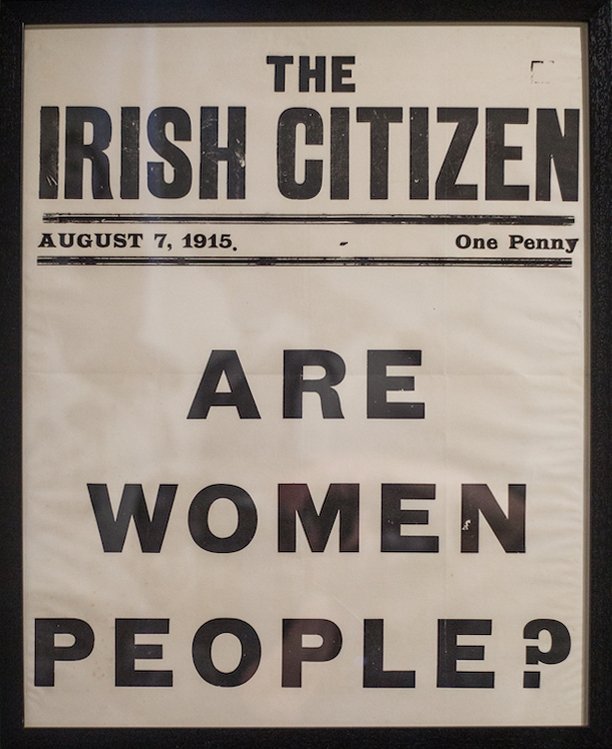
Irish suffragists participated in the protest of the 1911 census of Britain and Ireland, which offered a large-scale opportunity for women in the suffrage campaign to mark their objections to their lack of a political voice. The later establishment of Irish suffrage newspaper The Irish Citizen in 1912 provided further opportunity to provide such a combined voice for Irish women. The newspaper was circulated throughout the thirty-two counties and provided a national platform for opinion from Irish women from all nationalist, suffrage and socialist groups.
The introduction and overview page for the Print, Protest & the Polls exhibition is here.
[/vc_column_text][/vc_column][vc_column width="1/3" css=".vc_custom_1628495164376{margin-top: 2% !important;margin-bottom: 2% !important;}"][vc_single_image image="10232" img_size="large" alignment="center" qode_css_animation=""][/vc_column][/vc_row][vc_row css_animation="" row_type="row" use_row_as_full_screen_section="no" type="grid" in_content_menu="in_content_menu" content_menu_icon="" angled_section="no" text_align="left" background_image_as_pattern="without_pattern" z_index="" el_class="vc_rowSummer2021" anchor="census" content_menu_title="Anti-sentiment"][vc_column width="1/4" el_class="topAligned"][vc_column_text el_class="titleColourNPM"]

Suffrage and the 1911 Census

These census forms mark an act of passive political resistance by Irish suffragettes. The 1911 census of Britain and Ireland offered a unique and large-scale opportunity for women in the suffrage campaign to mark their objections to their lack of a political voice. A considerable number of women from the campaign boycotted this event, arguing that they would not participate in a census when they were not represented with a vote.
[vc_row css_animation="" row_type="row" use_row_as_full_screen_section="no" type="grid" angled_section="no" text_align="left" background_image_as_pattern="without_pattern" z_index="" css=".vc_custom_1628781701987{background-color: #c1c1bf !important;}" el_class="protestBanner"][vc_column width="2/3" css=".vc_custom_1628495036789{margin-top: 5% !important;margin-bottom: 6% !important;padding-right: 5% !important;padding-bottom: 40px !important;padding-left: 5% !important;background-color: rgba(0,0,0,0.75) !important;*background-color: rgb(0,0,0) !important;}"][vc_column_text el_class="whiteText"]

Print, Protest & the Polls: Suffrage Opposition and Promotion in Print

[/vc_column_text][vc_empty_space height="10px"][vc_column_text el_class="whiteText"]
At a time when women had no voice in politics, print allowed women to have a voice in the public sphere with which to campaign for change. Irish suffragists produced posters, handbills, booklets, imagery, and written articles which publicised their requests for equal voting rights to men. This helped to counter the prolific negative imagery and messages which opposed and mocked the suffragists and their aims.
The introduction and overview page for the Print, Protest & the Polls exhibition is here.
[/vc_column_text][/vc_column][vc_column width="1/3" css=".vc_custom_1628495164376{margin-top: 2% !important;margin-bottom: 2% !important;}"][vc_single_image image="10232" img_size="large" alignment="center" qode_css_animation=""][/vc_column][/vc_row][vc_row css_animation="" row_type="row" use_row_as_full_screen_section="no" type="grid" in_content_menu="in_content_menu" content_menu_icon="" angled_section="no" text_align="left" background_image_as_pattern="without_pattern" z_index="" el_class="vc_rowSummer2021" anchor="anti" content_menu_title="Anti-sentiment"][vc_column width="1/2" el_class="topAligned"][vc_column_text el_class="titleColourNPM"]

Anti-Suffrage Sentiment in Print

On a wider international scale, women involved in the suffrage movement were publicly represented in largely negative or mocking views. Visual humour played a prominent role in both the suffrage and anti-suffrage imagery. Cartoons could serve to present women’s suffrage in both a sympathetic or critical and lampooning manner, depending on the publication or artist which had produced them. The most commonly produced images showed suffrage campaigners in uncomplimentary depictions. Imagery mainly focused on the “suffragette” – the female campaigners involved in militant political activity, such as window breaking and postbox attacks. These visual representations show the suffragette as a wild, masculine, and dangerous entity – demonstrating the contemporary public fear and anxiety of female political independence.[/vc_column_text][/vc_column][vc_column width="1/2" el_id="antiSuffrageSlider"][vc_gallery interval="5" images="10959,10958,10957,10293" img_size="large" show_image_description="yes"][/vc_column][/vc_row][vc_row css_animation="" row_type="row" use_row_as_full_screen_section="no" type="grid" in_content_menu="in_content_menu" content_menu_icon="" angled_section="no" text_align="left" background_image_as_pattern="without_pattern" z_index="" el_class="vc_rowSummer2021" css=".vc_custom_1628928273715{padding-bottom: 30px !important;}" anchor="change" content_menu_title="Changing perceptions"][vc_column width="1/4" el_class="topAligned background_fff"][vc_empty_space height="20px"][vc_column_text el_class="titleColourNPM"]

Changing Public Perceptions with Print

Irish suffragists used all facets of print media to help promote their demand for equal franchise, as well as to help foster a positive public image of the female campaigners. At a time when women had no voice in politics, print allowed women to have a voice in the public sphere with which to campaign for change. Irish suffragists produced posters, handbills, booklets, imagery, and written articles which publicised their requests for equal voting rights to men.

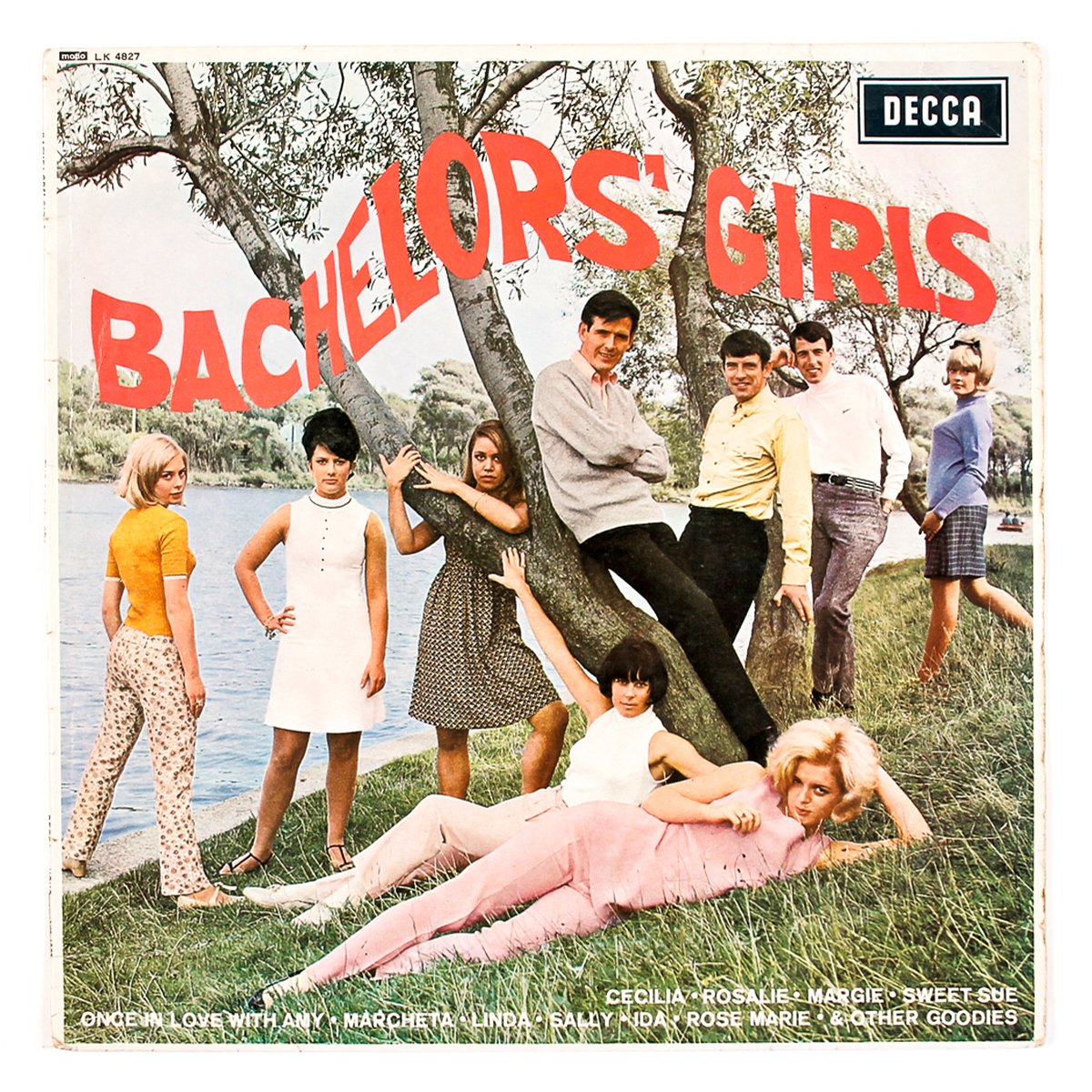
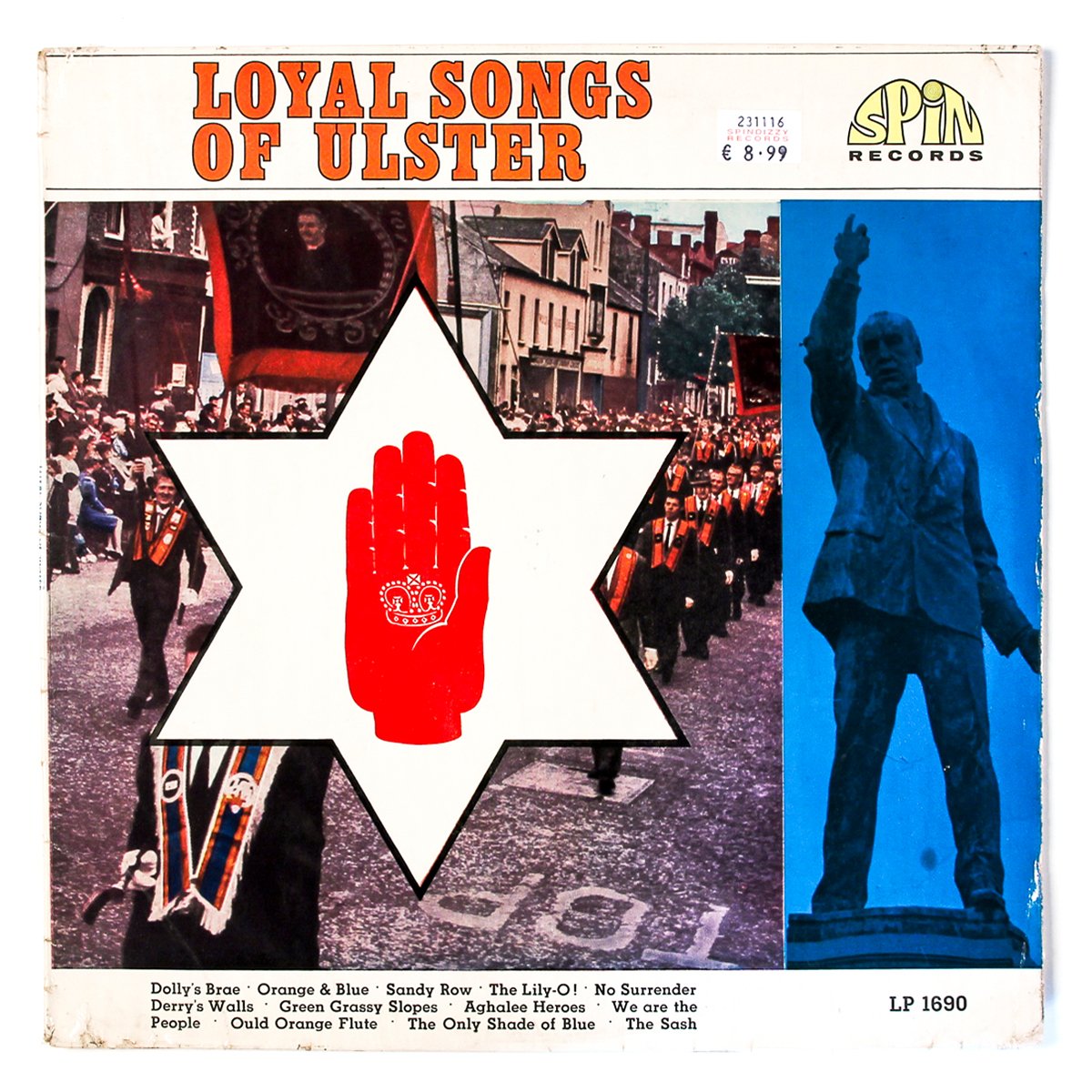
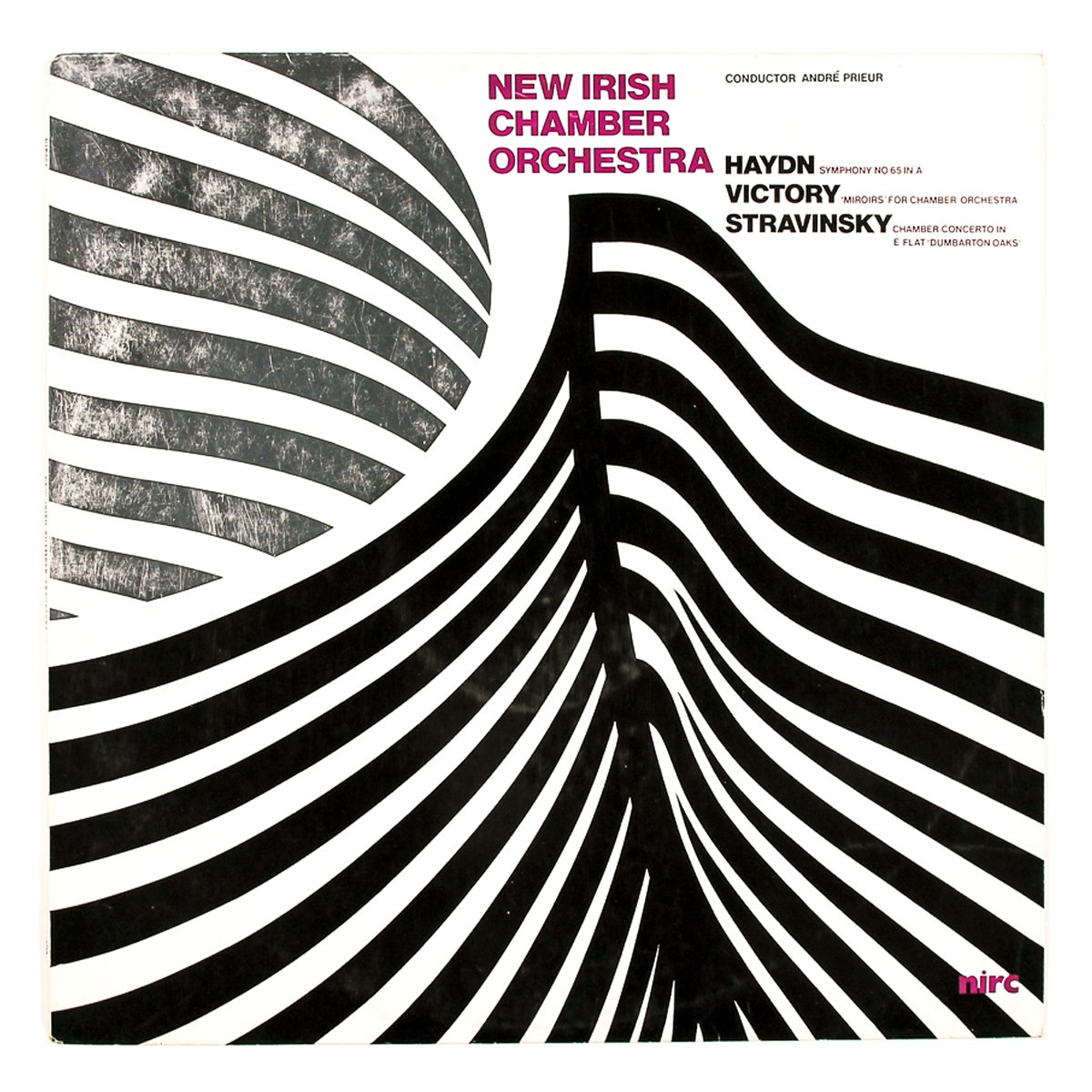
[vc_row css_animation="" row_type="row" use_row_as_full_screen_section="yes" type="full_width" angled_section="no" text_align="left" background_image_as_pattern="without_pattern" css=".vc_custom_1628954739343{background-image: url(https://digital.nationalprintmuseum.ie/wp-content/uploads/2021/07/04-Fusion-Alternative-Experimental.jpg?id=10754) !important;}" z_index="" el_class="summer2021ProjectBanner"][vc_column css=".vc_custom_1625601212718{margin-top: 15% !important;margin-bottom: 17% !important;margin-left: 25% !important;padding-right: 5% !important;padding-bottom: 7% !important;padding-left: 5% !important;background-color: rgba(0,0,0,0.75) !important;*background-color: rgb(0,0,0) !important;}" el_class="width40percent"][vc_column_text el_class="whiteText"] Green Sleeves: Fusion, Alternative & Experimental [/vc_column_text][vc_empty_space height="10px"][vc_column_text el_class="whiteText"] Seven decades of LP covers in Ireland [/vc_column_text][vc_empty_space...

[vc_row css_animation="" row_type="row" use_row_as_full_screen_section="yes" type="full_width" angled_section="no" text_align="left" background_image_as_pattern="without_pattern" css=".vc_custom_1628954858958{margin-top: 35px !important;background-image: url(https://digital.nationalprintmuseum.ie/wp-content/uploads/2021/07/03-Popular.jpg?id=10753) !important;}" z_index="" el_class="summer2021ProjectBanner"][vc_column css=".vc_custom_1628666940384{margin-top: 35px !important;margin-bottom: 35px !important;margin-left: 25% !important;padding-top: 35px !important;padding-right: 5% !important;padding-bottom: 35px !important;padding-left: 5% !important;background-color: rgba(0,0,0,0.75) !important;*background-color: rgb(0,0,0) !important;}" el_class="width40percent"][vc_column_text el_class="whiteText"] Green Sleeves: Popular [/vc_column_text][vc_empty_space height="10px"][vc_column_text el_class="whiteText"] Seven decades of LP covers in...

[vc_row css_animation="" row_type="row" use_row_as_full_screen_section="no" type="grid" angled_section="no" text_align="left" background_image_as_pattern="without_pattern" z_index="" css=".vc_custom_1628497660144{background-color: #c1c1bf !important;}" el_class="protestBanner"][vc_column width="2/3" css=".vc_custom_1628495036789{margin-top: 5% !important;margin-bottom: 6% !important;padding-right: 5% !important;padding-bottom: 40px !important;padding-left: 5% !important;background-color: rgba(0,0,0,0.75) !important;*background-color: rgb(0,0,0) !important;}"][vc_column_text el_class="whiteText"]

Print, Protest & the Polls: Suffrage and the Picture Postcard

[/vc_column_text][vc_empty_space height="10px"][vc_column_text el_class="whiteText"]
In the twentieth century women’s suffrage campaign, print media was used as an effective medium to spread the message of the suffrage campaign, as well as a tool by suffrage opponents to criticise the movement. Print provided a valuable public voice to suffragists, helping the voices of the suffrage campaign to become stronger and more visible in a large public arena for one of the first times.
The introduction and overview page for the Print, Protest & the Polls exhibition is here.
[/vc_column_text][/vc_column][vc_column width="1/3" css=".vc_custom_1628495164376{margin-top: 2% !important;margin-bottom: 2% !important;}"][vc_single_image image="10232" img_size="large" alignment="center" qode_css_animation=""][/vc_column][/vc_row][vc_row css_animation="" row_type="row" use_row_as_full_screen_section="no" type="grid" in_content_menu="in_content_menu" content_menu_icon="" angled_section="no" text_align="left" background_image_as_pattern="without_pattern" z_index="" el_class="vc_rowSummer2021 noTopBorder" anchor="movement" content_menu_title="The Movement"][vc_column][vc_row_inner row_type="row" type="full_width" text_align="left" css_animation="" el_class="topAligned"][vc_column_inner el_class="topAligned" width="2/3"][vc_column_text el_class="titleColourNPM" css=".vc_custom_1628503402650{margin-bottom: 2% !important;padding-top: 0px !important;padding-right: 5% !important;padding-bottom: 0px !important;background-color: #ffffff !important;}"]

The Irish Women’s Suffrage Movement, 1908 – 1918

A second wave of suffrage activism emerged in Ireland in the early 1900s, headed by several young women who had benefitted from advances in female educational opportunities. Developments on a more international scale, such as the formation of the radical English Women’s Social and Political Union (WSPU), also influenced this second generation of Irish suffragists.

This exhibition explores art and design ‘locked up’ and printed during lockdown in Ireland. The exhibition features work by Maser, Annie Atkins, Damn Fine Print, One Strong Arm, and Richard Seabrooke and collaborators....

This section of the Green Sleeves exhibition draws together a range of different musical areas, including céilí, traditional, folk and classical....

BOOK NOW BOOK NOW